To Increase Weight
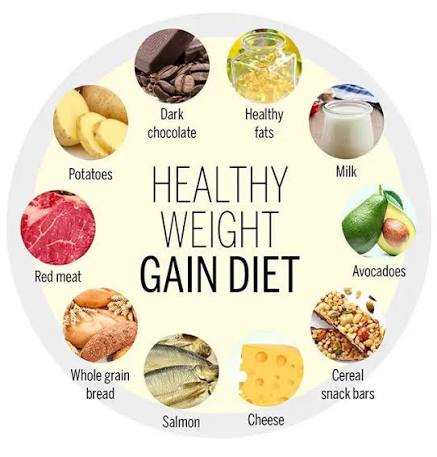
Eating nutritious foods that are high in calories is a good way to gain weight. It’s also important to understand the reason why you’re underweight.
Being underweight can be defined in a couple of ways. It can mean low weight for a person’s height, defined as a body mass index (BMI) of less than 18.5. It also could be weight that is 15 to 20% below the typical weight for a person’s age.
There are many reasons you may not be at your goal weight. Recovering from an illness or losing weight as you age are two examples. It’s also common for athletes to want to gain weight as muscle.
It is best to see your healthcare professional if you lost weight unexpectedly. Your healthcare team or a dietitian can help you gain weight in a healthy way. Together, you can create a plan based on your needs.
In general, your plan may include:
- Eating more frequently. Slowly begin to eat 5 to 6 smaller meals during the day. Try to tune into your body to recognize when you might be hungry. But you may need to plan times to eat even if you aren’t that hungry.
Healthy weight gain requires strategic planning to ensure it enhances rather than compromises overall health. Consuming excessive empty calories without focusing on nutrition can result in unhealthy fat accumulation, energy imbalances, and increased risks of cardiovascular disease, digestive issues, and metabolic disorders.
- A balanced approach focuses on nutrient-rich foods that provide the body with essential vitamins, minerals, and energy while promoting muscle growth.
- A well-structured diet plan helps balance caloric intake and physical activity, ensuring weight gain occurs through lean muscle growth rather than excessive fat storage. It ensures meals include the right mix of proteins, carbohydrates, and fats to support overall well-being.
- Without structure, attempts to gain weight may result in nutrient deficiencies or unwanted health issues, making careful planning essential.